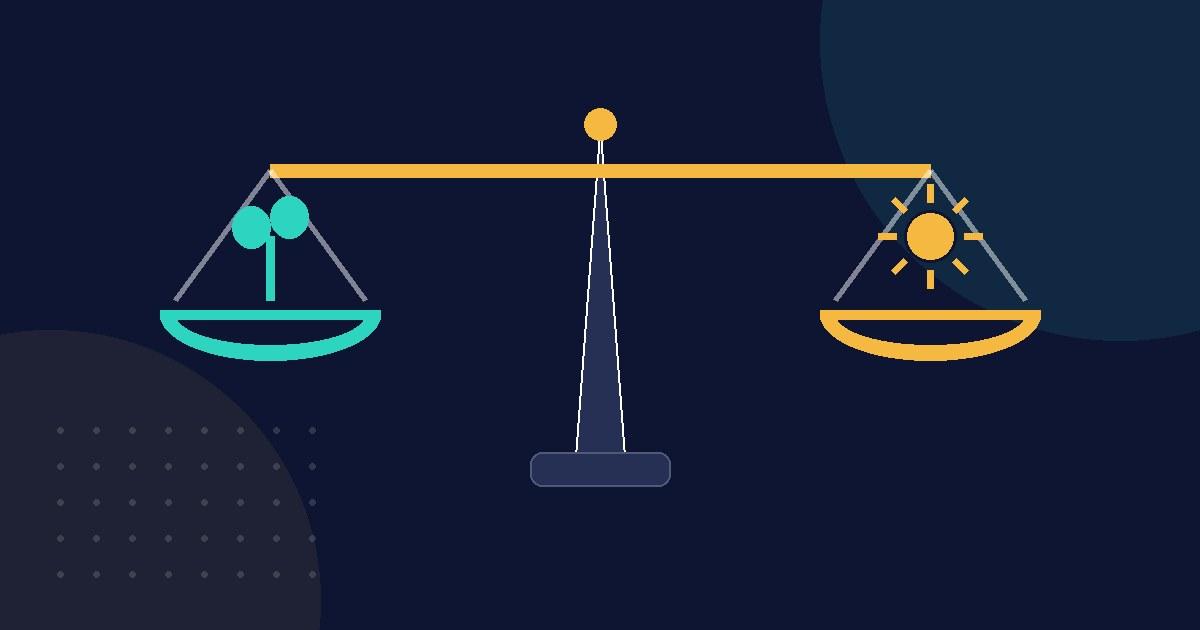
If you run a business website, you have probably heard SEO and SEM used almost interchangeably, as if they were two names for the same thing. They are not. SEO vs SEM is one of the most common points of confusion in digital marketing, and the difference matters because the two approaches cost money in different ways, work on different timelines, and suit different goals. This guide explains both clearly, compares them side by side, and helps you decide where your effort belongs. If the organic side is new to you, start with understanding SEO fundamentals and then come back to this comparison.
What Is SEO?
SEO, or search engine optimization, is the work of improving your website so it appears in the unpaid, organic results on search engines like Google. It involves researching the words your customers type into the search box, creating pages that genuinely answer those searches, organizing your site so search engines can crawl and understand it, and earning links from other websites that vouch for your credibility. SEO does not buy placement. You earn it by being the most relevant, trustworthy result for a given search — and once a page earns a strong position, it can keep attracting visitors day after day without paying for each individual click.
It is also not a one-time setup. Search engines update how they rank pages, competitors publish new content, and your own pages age. Ongoing SEO means monitoring how your pages perform, refreshing content that has slipped, fixing technical problems as they appear, and steadily earning new links. Businesses that treat SEO as a monthly discipline rather than a single project are the ones whose rankings survive — and keep growing — over years.
What Is SEM?
SEM, or search engine marketing, is the broader practice of promoting a website through search engines using both unpaid and paid methods. In everyday business usage, however, SEM usually means the paid side: the sponsored listings that appear at the top of the results page, clearly labeled as ads. Advertisers choose the keywords they want to appear for, write their ad copy, set a budget, and bid for placement. Every time someone clicks the ad, the advertiser pays. The moment the budget is switched off, the visibility disappears with it.
Part of the confusion is historical. Search engine marketing was originally the umbrella term for everything done to win visibility on search engines, organic and paid alike. As paid search platforms grew into a large industry of their own, agencies began using SEM as shorthand for the paid work alone, and that narrower meaning is the one most businesses meet today. Neither usage is wrong — but it is exactly why two people can say SEM in the same meeting and mean different things.
Both approaches compete for attention on the same page, which is why they are so often confused. To see why their results sit side by side, it helps to understand how search engines work — how pages are crawled, stored and ranked before any results are shown at all. SEO works on the organic listings in that process; SEM buys a sponsored position above or beside them.
SEO vs SEM: The Full Comparison
Here is the SEO vs SEM comparison laid out across the five differences that matter most when you are deciding where to spend your time and money.
Cost model
- ✓SEO — You invest time and effort: research, content creation, technical improvements and link earning. There is no charge per click, so a well-ranked page can keep bringing in visitors without ongoing payments for each visit.
- ✓SEM — You pay for visibility directly. Each click on your ad costs money under a pay-per-click model, and your total spend rises with your traffic. When the budget ends, the ads stop and so does the traffic.
Speed of results
- ✓SEO — Slow to build. New pages take time to be discovered, trusted and ranked, so meaningful results usually develop over months of consistent work rather than days.
- ✓SEM — Almost immediate. Once a campaign is set up and approved, your ads can appear in search results the same day, putting you in front of customers right away.
How long results last
- ✓SEO — Durable. Rankings earned through quality content and genuine authority tend to hold their position as long as the page stays relevant and maintained, so the value compounds over time.
- ✓SEM — Temporary by design. Your placement exists only while the campaign is funded. Pause the ads and your site vanishes from those sponsored positions immediately.
Trust and clicks
- ✓SEO — Organic results carry the credibility of being earned rather than bought. Many searchers instinctively trust them more and skip past the sponsored block to reach them.
- ✓SEM — Ads are clearly labeled as sponsored, and searchers know it. They still attract plenty of clicks, especially from people ready to buy, but they do not carry the same earned trust.
Control and targeting
- ✓SEO — Indirect control. You choose which searches to target with your pages, but search engines decide the final ranking, the wording of your listing and when positions change.
- ✓SEM — Precise control. You pick the exact keywords, locations, times of day, devices and audiences for your ads, write your own headline, and can pause or adjust everything instantly.
The differences point to a simple conclusion: this is rarely an either-or decision. Most growing businesses treat the two as parts of one SEO strategy — using paid search for immediate visibility while organic work builds the durable presence that lowers their dependence on ads over time.
SEO vs PPC: Understanding the Paid Side
You will also see the term PPC, short for pay-per-click, used alongside SEM. PPC is the pricing model behind most search advertising: you pay only when someone actually clicks your ad, rather than paying for the ad to be shown. When people say SEM in a business meeting, they almost always mean PPC advertising on search engines. That is why the common summary you will hear — SEM covers both SEO and PPC — makes sense: SEM is the umbrella term for search marketing as a whole, PPC is its paid engine, and SEO is its organic engine.
The practical difference between SEO vs PPC comes down to ownership. A PPC campaign rents attention from the search engine: excellent while it runs, gone when it stops. SEO builds an asset you own: content and authority that keep working between campaigns. Neither is automatically better. PPC gives you speed, testing power and precise targeting; SEO gives you staying power and credibility. Knowing which engine you are paying for — and why — is what turns scattered spending into a plan.
Behind every PPC placement sits an auction that runs each time someone searches. Advertisers bid for the keywords they want, but the highest bid does not automatically take the top spot. Search engines also weigh how relevant the ad is to the search and how useful the landing page behind it will be, so a well-matched smaller advertiser can outrank a bigger spender running a vague ad. That is why paid search still rewards quality: money buys entry into the auction, not a guaranteed position at the top of it.
When to Use SEO and SEM
When SEO is the right choice
Choose SEO when you want growth that lasts. If your customers research before they buy, if you publish content that answers real questions, or if you are tired of paying for every single visit, organic work is your foundation. It is also the right choice when your advertising budget is limited, because the investment goes into your own website — an asset that keeps its value — instead of into rented placement that expires.
When SEM is the right choice
Choose SEM when timing matters. A new business with no rankings yet, a seasonal offer, a product launch or a service people need urgently can all justify paying for instant placement. Well-structured Google Ads campaigns also let you test which keywords and messages actually convert before you invest months of content work into them, so the paid side often tells you where the organic side should aim.
When both work best together
For most established businesses, the strongest answer is both. SEM delivers customers while SEO is still warming up; SEO gradually takes over the steady, everyday searches and frees the ad budget for the most competitive or time-sensitive terms. The two also share intelligence: the keywords that convert in paid campaigns are prime targets for organic pages, and strong organic rankings make your brand look established next to your own ads. Used together, each channel covers the weakness of the other.
SEO vs SEM: Which Is Better for Small Businesses?
Small businesses feel this decision more sharply because every hour and every bit of budget counts. The honest starting point is that SEO asks for patience and SEM asks for money — and most small businesses are shorter on one than the other at any given moment. If you can only pick one at first, pick the one that matches your situation: a brand-new business that needs enquiries this month may have no choice but to start with ads, while a business with steady work and time to invest can build organic visibility that eventually reduces how much it needs to spend on advertising at all.
Whichever you start with, avoid the two classic mistakes. Do not pour money into ads that send people to a slow, confusing website — fix the page first, because paid traffic cannot rescue a bad experience. And do not treat SEO as free: it costs real time and skill, even when you do it yourself. A modest, consistent effort in the right channel beats an expensive burst in the wrong one, every time.
Finally, judge both channels by enquiries and sales, not by visits alone. A small, steady flow of visitors who are ready to buy is worth far more than a flood of curious clicks that never turn into customers. Start with the searches closest to a buying decision, prove that the channel produces real enquiries for your business, and only then widen your reach. That discipline keeps a small budget pointed at revenue instead of applause.
SEO vs SEM is not a contest with one winner. SEO earns lasting visibility; SEM buys immediate visibility; together they cover both the long game and the urgent one. The right mix depends on your budget, your timeline and how your customers search. If you would like help deciding where your business should focus first, a clear digital marketing strategy is the natural next step — one that weighs both channels honestly instead of pushing whichever is easiest to sell.
You can also see my 6-step SEO process, read client reviews, or get in touch.
Frequently Asked Questions
What is the main difference between SEO and SEM?
The main difference is how you get your visibility. SEO earns placement in the unpaid, organic results by making your website more relevant and trustworthy. SEM, as the term is usually used in business, buys placement in the sponsored results through advertising, and you pay each time someone clicks. SEO takes longer to build but keeps working without per-click payments. SEM works almost immediately but stops the moment your budget does. One is an asset you build; the other is attention you rent.
Is SEO better than SEM for small businesses?
Neither is automatically better — it depends on what your business needs most right now. SEO is usually the stronger long-term foundation for a small business because the visibility you earn keeps working without ongoing click costs, and local customers tend to trust organic results. But SEO is slow, so a new business that needs enquiries immediately may need SEM first. Many small businesses do best by starting where their situation demands and adding the other channel as soon as they can.
Does SEM include SEO and PPC?
Yes, in its original and broadest meaning. SEM stands for search engine marketing, which covers everything done to gain visibility on search engines — the organic work of SEO and the paid advertising of PPC. In everyday business conversation, though, people often use SEM to mean only the paid side, which is why the terms get tangled. When someone proposes an SEM package, it is worth asking one clarifying question: does this include organic SEO work, paid ads, or both?
Is SEO cheaper than SEM?
SEO is cheaper in one specific sense: you do not pay for each click, so the cost of attracting a visitor does not rise with your traffic. But SEO is not free — it costs time, skill and consistent effort, whether you do it yourself or hire someone to do it for you. SEM has a clearer, more direct cost because you pay for every click, and that spending never builds a lasting asset. Over a long period, a strong organic presence usually works out more economical, which is why businesses tend to treat SEM as the fast option and SEO as the efficient one.
Can I use SEO and SEM together?
Yes, and for most businesses that is the smartest setup. SEM brings immediate traffic and fast feedback on which keywords and messages convert, while SEO builds the durable rankings that reduce your reliance on paid clicks over time. The two channels also strengthen each other: appearing in both the ads and the organic results makes your business look established, and the lessons from each side sharpen the other. The key is to run them as one coordinated plan, not as two separate experiments competing for the same budget.